
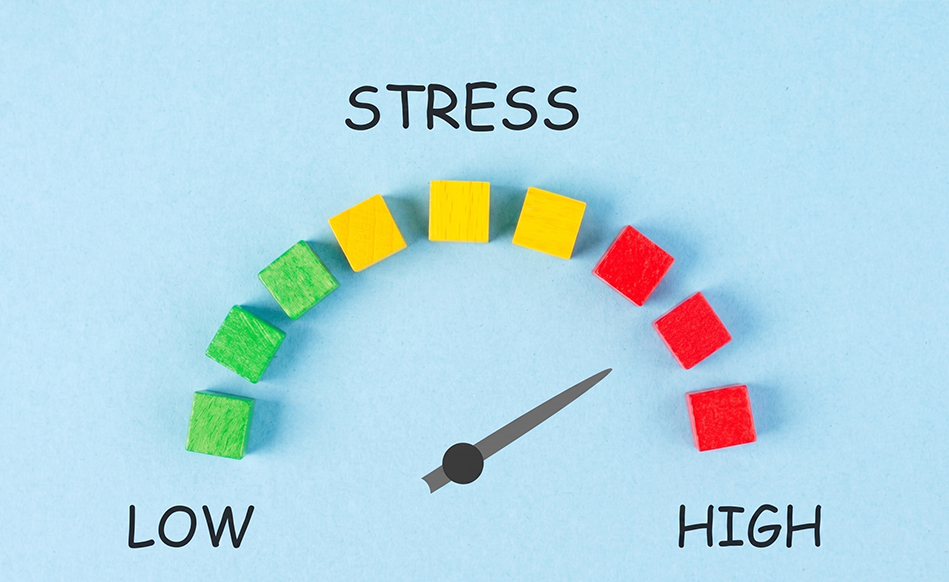
Anxiety has a way of quietly expanding until it fills everything.
It might start as a nagging worry you can’t shake — a tightness in your chest before a meeting, a racing mind at 2 a.m., a sense that something is wrong even when nothing obvious is. Over time, it can shape the way you make decisions, how you show up in relationships, and whether you feel like yourself at all.
When Anxiety Takes Over: How Therapy Helps
Anxiety therapy isn’t about “fixing” you.
It’s about understanding what’s happening beneath the surface — and building the kind of steadiness that lets you move through your life with more ease and confidence.
Here’s what that process can look like:
1) You start to recognize your patterns.
Understand how anxiety can take over daily life and how therapy can help you regain control, build coping skills, and feel grounded again.
One of the first things therapy offers is clarity. When you can see your patterns more clearly — the thought loops, the avoidance, the perfectionism or old wounds underneath — anxiety begins to feel less like a mystery and more like something you can work with. That shift alone can make an enormous difference.
2) You gain tools that actually work.
Good therapy is both insight and practice. Along with making sense of what’s driving your anxiety, you’ll also learn concrete strategies for the moments when it shows up in real life — at work, in conversations, during transitions, or in the quiet moments when your mind won’t settle.
Depending on what’s most helpful for you, therapy might draw on Cognitive Behavioral Therapy (CBT), Acceptance and Commitment Therapy (ACT), mindfulness-based approaches, or other evidence-based methods. The goal isn’t to eliminate anxiety altogether — it’s to help you respond to it differently, so it no longer has to run the show.
3) Avoidance loses its grip.
One of anxiety’s most effective strategies is narrowing your world. A phone call feels too hard. A social event feels like too much. Opportunities that once seemed exciting now just feel activating. So you avoid — and for a moment, it works. But over time, avoidance tends to make anxiety stronger, not smaller.
Therapy helps interrupt that cycle, gently and at your own pace. With support, many people find they can begin moving toward the things anxiety has made harder — and that movement brings real gains in confidence and freedom.
4) There’s space to address what’s underneath.
Sometimes anxiety is mostly a response to current stress, and that’s enough to work with. Other times, it’s connected to something deeper — grief, past experiences, burnout, relationship strain, or years of pressure to simply cope and carry on without asking for help.
When those layers go unaddressed, anxiety tends to return. Therapy creates a safe, unhurried space to explore what you’re carrying and how it may be affecting your mind and body. That doesn’t mean every session feels heavy. It means you have room to make sense of things, with someone who’s genuinely in your corner.
5) The effects reach further than you might expect.
As therapy begins to ease anxiety’s intensity, many people notice something broader shifting. They feel more present with the people they love. More decisive. Less braced against what might go wrong. Better able to concentrate, sleep, and simply be.
That quieter, more grounded way of living — that’s often what people really mean when they say they want to feel like themselves again.
6) You don’t have to be in crisis to ask for support.
Many people wait, thinking they should be able to handle it on their own, or that their struggles aren’t serious enough to warrant help. But therapy can be valuable long before things feel unmanageable. Reaching out early is a strength, not a last resort.
At Finding Solutions Counseling Centers, we work with individuals, couples, teens, young adults, and families across Fairfax and Ashburn, Virginia. Our approach is compassionate, evidence-informed, and grounded in respect for each person’s pace and goals.
If anxiety has been making daily life harder, we’d be honored to help you find your way back to steadiness.